
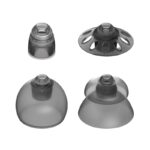
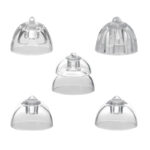
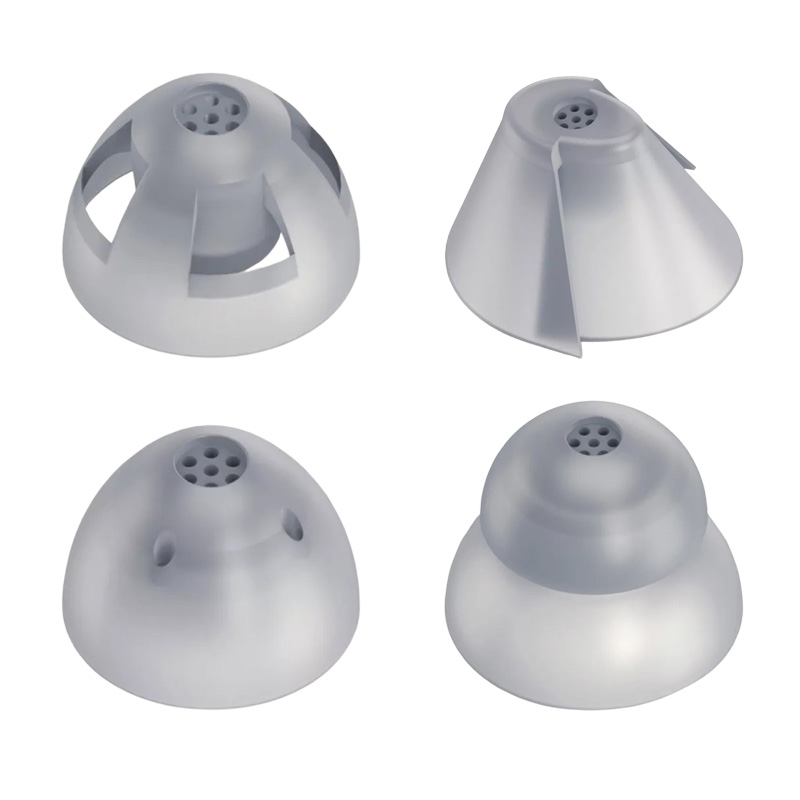
ReSound Domes (GN Hearing) Eartips

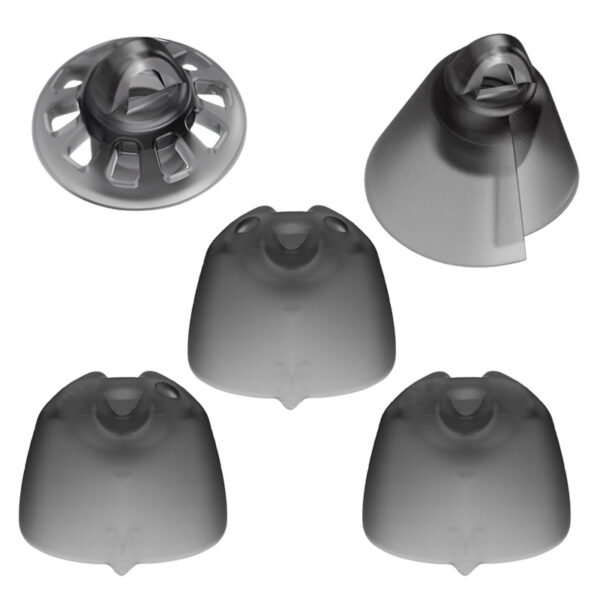
Genuine ReSound Hearing aid domes, GN Hearing
Price range: US$16.90 through US$19.90
Guaranteed Safe Checkout

Description
Notice for Purchase
1.The domes for ReSound that we sell are official genuine products, not imitations, so the price is higher compared to counterfeit products.
2.We strongly recommend that you measure to get the right size before placing an order. You can place your existing dome on a ruler to measure it.
3.If you are unsure about the size you need, we recommend purchasing a mixed size pack (2 Domes for each specification). After that, you can determine the correct size you need for future purchases.
How to Choose/Model Differences
| Types | Key Features | Applicable Scenarios | Pros | Cons |
|---|---|---|---|---|
| Open | Designed with openings or vent holes, allowing natural air and sound to enter the ear canal without fully sealing it. | Suitable for people with mild to moderate hearing loss who want to retain natural hearing, such as first-time wearers or users who are sensitive to the occlusion feeling. | Reduces the "blocked ear" sensation (occlusion effect), comfortable to wear, well-ventilated, less likely to cause sweating, and ideal for everyday conversations. | Poor sealing performance and easily affected by environmental noise, not suitable for severe hearing loss, as it cannot provide sufficient amplification. |
| Tulip | Tulip-shaped with multiple soft petals, providing a medium seal, it has a vented design but fits slightly tighter than an open fit. | Suitable for moderate hearing loss and for users who need a balance between sealing and comfort, such as office workers or people who spend time outdoors. | Offers a better seal than open domes, reduces whistling feedback, is highly comfortable, easy to insert, and provides moderate ventilation. | Not as sealed as closed domes, with average noise isolation, some users may need time to get used to the petal design. |
| Closed | Fully seals the ear canal with no vent holes, providing a high level of isolation. | Suitable for moderate to severe hearing loss, noisy environments (such as factories or busy city streets), or users who need clear speech. | Excellent sealing improves amplification and clarity, effectively blocks noise, and reduces feedback whistling. | May cause a plugged/blocked-ear feeling, poor ventilation, and can trap earwax or sweat, making long-term wear uncomfortable. |
| Power | An enhanced version of the closed type, usually larger and thicker, providing maximum sealing and support, commonly used for power hearing aids. | Suitable for severe to profound hearing loss, users who need strong amplification, or those with large or unusually shaped ear canals. | Maximizes sound transmission and stability, ideal for high-power hearing aids, reduces sound leakage, and is highly durable. | Least comfortable, may cause pressure/discomfort, has the poorest ventilation, requires frequent cleaning, and is not suitable for mild hearing loss. |
In summary, Open and Tulip focus more on natural sound and comfort, making them suitable for mild to moderate hearing loss, while Closed and Power emphasize sealing and amplification, making them suitable for severe hearing loss.
Additional information
Customer Reviews
Related Products
Sold out
Select options
This product has multiple variants. The options may be chosen on the product page
Audio Service connexx Domes 2.0
US$19.90Sold out
Select options
This product has multiple variants. The options may be chosen on the product page
Audio Service connexx Domes 3.0
US$19.90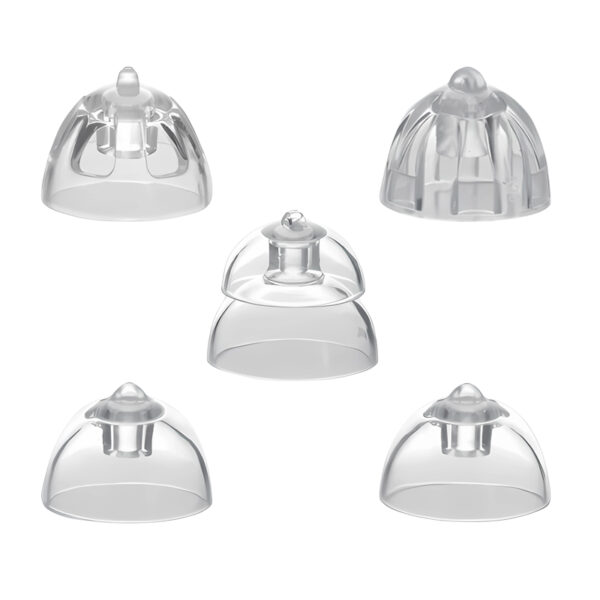
Select options
This product has multiple variants. The options may be chosen on the product page
Bernafon MiniFit Receiver Domes
Price range: US$18.90 through US$19.90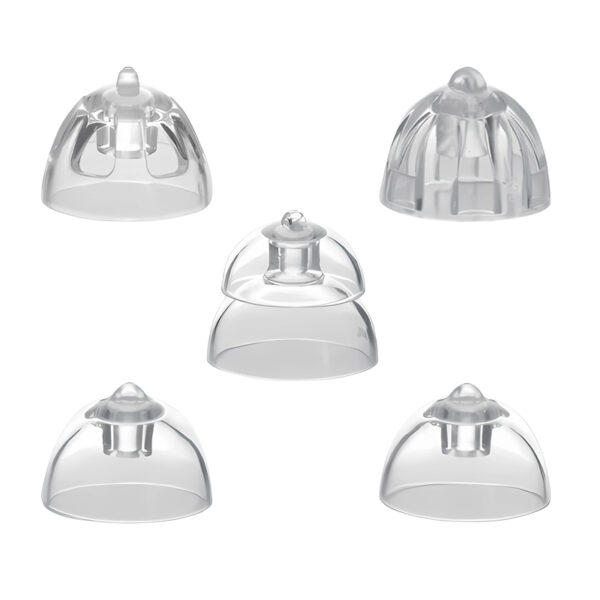
Select options
This product has multiple variants. The options may be chosen on the product page
Oticon MiniFit Receiver Domes
Price range: US$18.90 through US$19.90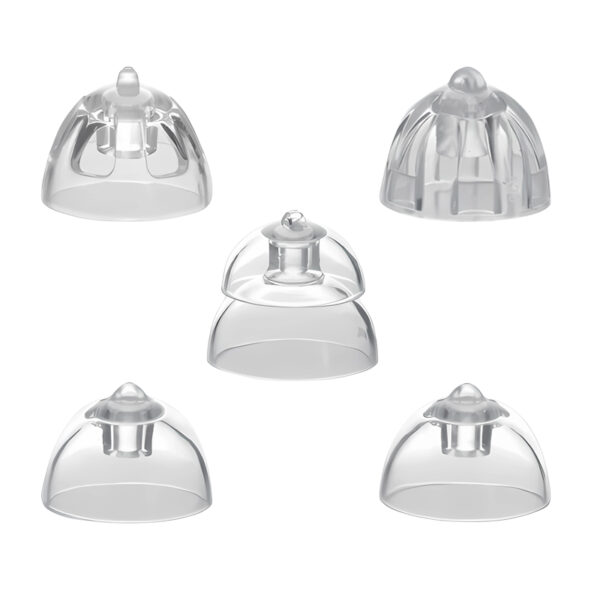
Select options
This product has multiple variants. The options may be chosen on the product page
PHILIPS Hearing aid Domes
Price range: US$18.90 through US$19.90
Select options
This product has multiple variants. The options may be chosen on the product page


Reviews
There are no reviews yet.